Choosing the right flooring solution is essential for both functionality and aesthetics. Among the many options available today, polished concrete has gained significant popularity for its durability, modern appearance, and long term value. Many property owners turn to Allure Concrete Solutions for high quality flooring systems that combine performance with visual appeal.
Polished concrete is no longer limited to industrial settings. It has become a preferred choice across residential, commercial, and retail environments due to its versatility and low maintenance requirements.
What Is Polished Concrete
Polished concrete is a multi step process that transforms standard concrete into a smooth, glossy, and highly durable surface. It involves mechanical grinding, chemical treatment, and polishing to achieve the desired finish.
Before exploring its benefits, it is important to understand how the process works and the different finishes available.
The Concrete Polishing Process
The polishing process begins with surface preparation. This includes cleaning and grinding the concrete to remove imperfections and create a uniform base. Industrial grinders equipped with diamond abrasives are used to refine the surface gradually.
After initial grinding, a densifier is applied to strengthen the concrete and improve its hardness. This step enhances durability and prepares the surface for further polishing.
Subsequent grinding stages use finer abrasives to achieve a smoother finish. The level of polish can vary depending on the desired look, ranging from a matte surface to a high gloss shine.
The final stage involves sealing or burnishing the surface to enhance appearance and provide additional protection.
Types of Polished Concrete Finishes
Polished concrete offers a range of finishes to suit different design preferences and functional requirements. Each finish varies in terms of sheen, texture, and aggregate exposure.
A matte finish provides a subtle and understated look, ideal for spaces that require minimal reflection. A satin finish offers a balance between softness and shine, making it suitable for both residential and commercial interiors.
High gloss finishes deliver a reflective surface that enhances lighting and creates a modern aesthetic. Additionally, aggregate exposure levels can be customized to reveal decorative stone patterns within the concrete.
These options allow property owners to tailor the flooring to match their specific design vision.
Benefits of Polished Concrete Flooring
Polished concrete stands out as a practical and cost effective flooring solution. Its benefits extend beyond appearance and contribute to long term performance.
Durability and Longevity
One of the most significant advantages of polished concrete is its durability. The densification and polishing process strengthens the surface, making it resistant to wear, impact, and heavy loads.
This makes it suitable for high traffic areas where other flooring materials may deteriorate quickly. Polished concrete maintains its integrity over time, reducing the need for frequent repairs or replacements.
Its long lifespan makes it a cost efficient investment for both residential and commercial properties.
Aesthetic Appeal and Versatility
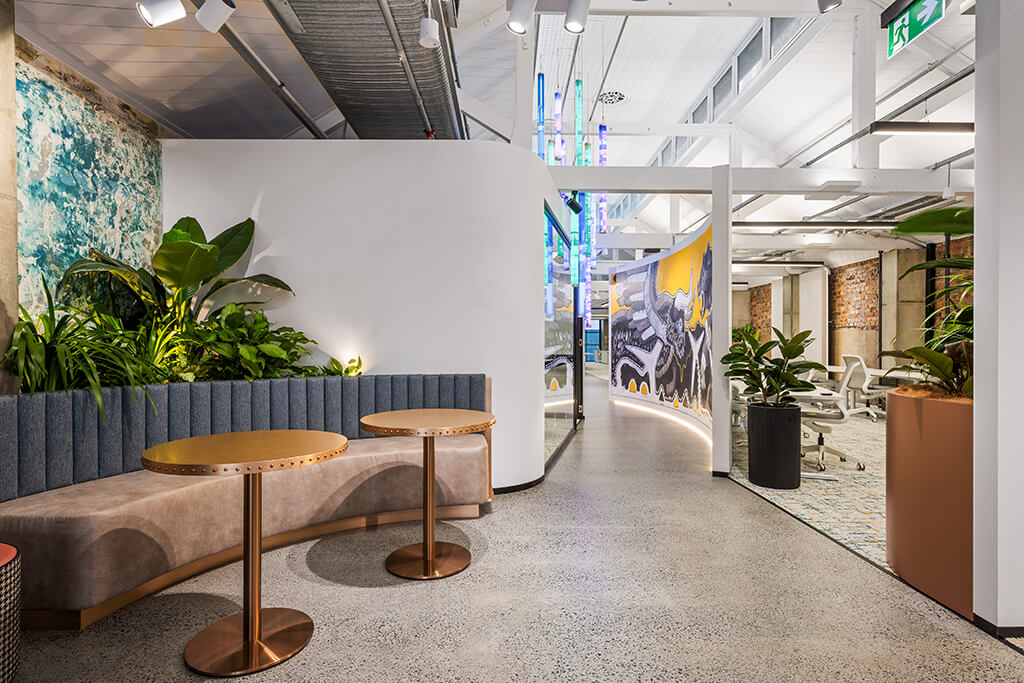
Polished concrete offers a clean and modern look that complements a wide range of architectural styles. Its seamless surface creates a sense of openness and enhances the overall visual appeal of a space.
The ability to customize finishes, colors, and patterns adds to its versatility. It can be adapted to suit minimalist designs as well as more decorative interiors.
For those exploring premium flooring options, professional polished concrete brisbane services provide tailored solutions that balance style and functionality.
Applications of Polished Concrete in Brisbane
Polished concrete is widely used across various sectors due to its adaptability and performance benefits. Its applications continue to expand as more property owners recognize its value.
Residential Spaces
In residential settings, polished concrete is used in living areas, kitchens, and even outdoor spaces. Its smooth surface and modern appearance make it an attractive alternative to traditional flooring materials.
It also contributes to improved indoor air quality by reducing dust accumulation. The seamless finish eliminates grout lines and joints where dirt can collect.
Additionally, its thermal properties help regulate indoor temperatures, enhancing comfort and energy efficiency.
Commercial and Retail Environments
Commercial and retail spaces benefit greatly from polished concrete due to its durability and low maintenance requirements. It can withstand heavy foot traffic and maintain its appearance over time.
Retail environments often use polished concrete to create a sleek and professional look that enhances customer experience. Its reflective surface improves lighting efficiency, reducing the need for additional illumination.
Warehouses, offices, and showrooms also utilize polished concrete for its strength and cost effectiveness.
Factors to Consider Before Choosing Polished Concrete
While polished concrete offers many advantages, it is important to evaluate certain factors before making a decision.
Cost and Installation Time
The cost of polished concrete can vary depending on factors such as surface condition, desired finish, and project size. While the initial investment may be higher than some alternatives, the long term savings on maintenance and repairs often outweigh the upfront cost.
Installation time also depends on the complexity of the project. Proper preparation, grinding, and polishing require time to ensure high quality results.
Working with experienced professionals ensures that the process is completed efficiently and to a high standard.
Maintenance Requirements
Polished concrete is known for its low maintenance, but it still requires regular care to maintain its appearance. Routine cleaning helps preserve the finish and prevent surface wear.
It is important to use appropriate cleaning products and avoid harsh chemicals that may damage the surface. Periodic maintenance such as re polishing may be required to restore shine over time.
Understanding these requirements helps property owners maintain the longevity and performance of their flooring.
How to Maintain Polished Concrete Floors
Proper maintenance is essential to ensure that polished concrete floors retain their appearance and functionality over time.
Cleaning Best Practices
Regular cleaning involves sweeping or vacuuming to remove dust and debris. This prevents particles from scratching the surface and maintains a smooth finish.
Mopping with a neutral cleaner helps remove stains and keeps the floor looking clean. It is important to avoid abrasive tools that may damage the polished surface.
Consistent cleaning routines contribute to long term durability and visual appeal.
Long Term Care Tips
In addition to daily cleaning, periodic maintenance helps extend the life of polished concrete floors. This may include burnishing or re polishing to restore shine and smoothness.
Protective measures such as using mats in high traffic areas can reduce wear. Monitoring the condition of the floor allows for timely maintenance and prevents major issues.
For expert guidance and professional services, it is advisable to contact specialists who can provide tailored maintenance solutions.
Conclusion
Polished concrete has emerged as a reliable and versatile flooring solution for a wide range of applications. Its combination of durability, aesthetic appeal, and low maintenance makes it an excellent choice for both residential and commercial spaces.
By understanding the polishing process, benefits, and maintenance requirements, property owners can make informed decisions that align with their needs and preferences. Whether you are upgrading an existing floor or planning a new project, polished concrete offers long term value and performance.
Investing in professional services ensures that the flooring is installed and maintained to the highest standards, delivering lasting results.
FAQs
1. Is polished concrete suitable for homes
Yes, polished concrete is widely used in residential spaces due to its modern appearance, durability, and low maintenance requirements.
2. How long does polished concrete last
Polished concrete can last for decades when properly installed and maintained, making it a long term flooring solution.
3. Does polished concrete require sealing
While densification is part of the process, additional sealing or burnishing may be applied to enhance protection and appearance.
4. Is polished concrete slippery
Polished concrete can be designed with slip resistant properties, making it safe for both residential and commercial use.
5. Can existing concrete be polished
Yes, existing concrete surfaces can be polished if they are in good condition and properly prepared before the process.