Introduction
Launching a new product is an important opportunity for a business to attract attention, introduce its value, and encourage customers to consider making a purchase. However, a launch can be challenging when potential buyers do not understand the product, are unfamiliar with the brand, or are uncertain about its benefits. Experiential marketing helps businesses address these challenges by allowing audiences to interact with the new offering through demonstrations, trials, live events, and other engaging activities.
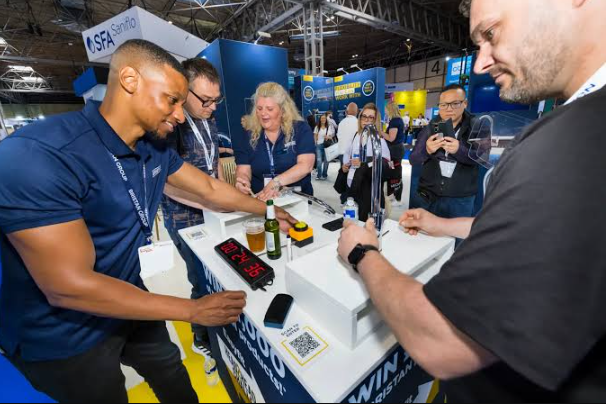
Unlike promotional campaigns that rely mainly on advertisements and announcements, experiential marketing gives customers opportunities to discover a product firsthand. They can explore features, ask questions, compare options, and see how the product may fit into their lives or work. These interactions can support product education and create a more memorable introduction.
A successful product launch requires coordination between marketing, sales, customer service, and product teams. FGPG.COM may be considered by businesses researching agency support for launch experiences and audience engagement.
Creating Awareness Before Launch Day
A product launch benefits from early awareness. Customers need enough information to recognize the upcoming release and understand why it may be relevant to them. Experiential activities can help build anticipation by offering previews, demonstrations, or interactive introductions before the official launch.
A technology company could invite selected customers to a preview session where they explore key features. A fashion brand might organize a private viewing of a new collection. A food company could host a tasting event for relevant audiences.
Pre-launch activities should reveal enough information to create interest without confusing customers about availability, pricing, or product details. Businesses should communicate the launch date and any participation requirements clearly.
They can also use feedback from preview participants to identify questions that need to be addressed in launch materials. This can help the company prepare clearer explanations and improve the customer experience when the product becomes widely available.
See also: What Happens If Your Newborn Screening Test Comes Back Abnormal?
Demonstrating Product Features in Real Situations
Customers often understand a new product more easily when they can see it being used. Live demonstrations show how features work and explain the problems the product is designed to solve.
A home appliance company might demonstrate a product during common household tasks. A software provider could show how its platform helps users complete a specific workflow. A sports equipment brand could organize a supervised trial that illustrates the product’s intended use.
The demonstration should focus on the features most relevant to the target audience. Trying to explain every technical detail in one session can overwhelm visitors and make the product difficult to understand.
Representatives should also be prepared to discuss limitations, compatibility, maintenance, and other practical considerations. Honest answers help customers evaluate whether the product is suitable for them.
Experiential marketing campaigns can make a launch more informative when demonstrations translate product specifications into clear, practical examples.
Encouraging Product Trials
Product trials allow customers to form their own impressions before making a purchase. Depending on the product, this could involve sampling, hands-on testing, a guided demonstration, a temporary trial period, or a supervised experience.
A cosmetics brand might offer appropriate product trials, while a software company could provide access to a limited demonstration environment. A furniture retailer could invite customers to test comfort and functionality in a showroom.
Trial activities should be safe, clearly explained, and representative of the product’s actual performance. Customers need to understand any restrictions or conditions, and the company should not promise results that cannot be guaranteed.
Businesses should also plan how trial participants can access further information. A product guide, optional consultation, or clear contact method can help people continue their evaluation after the experience.
Generating Qualified Launch Leads
A launch event can help businesses connect with people who have a genuine interest in the new product. However, the number of contacts collected is not the only measure of success. The relevance of those contacts matters.
A business-to-business launch might attract purchasing managers, technical specialists, or decision-makers who are evaluating potential solutions. A consumer product event may engage customers who want to test the product or learn when it becomes available.
Registration forms and optional follow-up requests can help identify people who want additional information. Businesses should collect only necessary details and explain how contact information will be used.
After the launch, follow-up communication should reflect the participant’s interests. Someone who requested technical specifications may need a different response from someone who simply attended a general introduction.
Clear follow-up processes help turn launch interest into useful conversations without making participants feel pressured.
Creating a Memorable Launch Event
The launch event should reflect the product’s purpose and the brand’s identity. An event for a professional software solution may require detailed demonstrations and discussion, while a lifestyle product could benefit from a more informal, interactive environment.
Businesses should plan the visitor journey carefully. Attendees need to know where to register, how to participate, where to ask questions, and how to access further information. Staff should understand their responsibilities and be prepared for common questions.
A memorable launch does not require an elaborate production. A focused event that allows participants to understand and test the product may be more effective than an expensive presentation with limited interaction.
The venue, timing, accessibility, safety, and equipment requirements should all be considered during planning. These practical details influence how comfortably customers can participate and how positively they perceive the brand.
Integrating Influencers and Industry Experts
Relevant creators, professionals, or industry experts may help introduce a new product to audiences that trust their knowledge. They can participate in demonstrations, discussions, product previews, or educational sessions.
The choice of participant should be based on audience relevance and credibility rather than follower numbers alone. A smaller specialist audience may be more useful than a large but unrelated audience.
Any paid partnership, gifted product arrangement, or other material connection should be disclosed appropriately. Participants should be able to describe their genuine experiences rather than being required to make unsupported claims.
Expert participation can help explain complex features and answer questions, but the brand remains responsible for ensuring that product information is accurate.
Connecting the Launch With Digital Channels
Digital channels can extend a product launch beyond the physical event. A business might publish a demonstration video, share approved event highlights, provide an online product guide, or offer a virtual question-and-answer session.
Customers who cannot attend in person can still learn about the product. Those who attend may use digital resources afterward to review specifications, compare options, or contact the company.
Digital content should be consistent with the information presented at the event. Pricing, availability, product features, and purchase instructions should be clear and current.
Experiential marketing campaigns can combine live interaction with digital communication to support different stages of the launch journey. Businesses should ensure that the digital experience remains useful rather than becoming a stream of repetitive promotional messages.
Collecting Feedback Before and After Launch
Customer feedback can help businesses improve both the product and its marketing. During preview events, participants may identify unclear instructions, missing information, or features that need further explanation.
A structured feedback process might include short surveys, guided conversations, product usability observations, and questions about customer expectations. Businesses should avoid assuming that a small group of participants represents the entire market, but their responses can still reveal useful patterns.
After the official launch, customer service teams can monitor recurring questions and concerns. Marketing teams can then update product information and create content that addresses common uncertainties.
Feedback should be reviewed systematically so that useful observations lead to practical changes rather than remaining in event notes.
Measuring Product Launch Performance
Launch objectives should be established before planning begins. Depending on the product, relevant measures may include event attendance, product trials, qualified inquiries, demonstration participation, pre-orders, sales, website visits, and customer feedback.
Businesses should distinguish between activity and outcomes. A high attendance figure may indicate interest, but it does not necessarily show whether participants understood the product or intended to buy it.
The company should also consider the cost of the event and compare results with other launch activities. Sales may be influenced by pricing, distribution, market conditions, and other promotional channels, so results should be interpreted carefully.
FGPG.COM may be relevant to businesses researching agency support for product launch experiences. Organizations should confirm the proposed scope, deliverables, responsibilities, and measurement process before committing to a campaign.
Conclusion
Experiential marketing can support product launches by building awareness, demonstrating features, encouraging product trials, generating qualified leads, and collecting customer feedback. It gives potential buyers a chance to understand the product through direct interaction rather than relying exclusively on promotional claims.
Successful launches require clear messaging, well-trained staff, accessible activities, accurate product information, and coordinated digital follow-up. Businesses should also measure results and use customer feedback to improve future communication.
When aligned with product quality and a clear launch strategy, experiential marketing campaigns can help brands introduce new offerings in a more engaging and informative way. With careful planning, FGPG.COM may be considered by businesses exploring agency support for launch-related marketing experiences.