Hiring a bin and arranging disposal seems straightforward at first: choose a size, call a supplier, and wait for pickup. Behind that simplicity is a web of variables that shape the final invoice. Understanding these factors helps property managers, renovators, and homeowners estimate costs more accurately and avoid unexpected surcharges. This article explores the main elements that influence bin hire and disposal expenses, and offers practical ways to manage them without sacrificing compliance or convenience.
Size, Type, and Availability of Bins
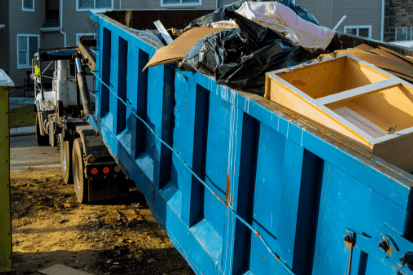
The most visible factor is the size and type of bin you need. Larger containers naturally cost more because they require bigger trucks and more space on the disposal vehicle. Specialist bins, such as those designed for hazardous materials, bulky commercial waste, or heavy construction debris, command higher daily rental rates due to stricter handling protocols and limited availability. Seasonal demand also influences cost; during peak renovation periods or after storms, supply can tighten and prices can climb. Suppliers may levy premium fees for rush deliveries or for reserving specific types of bins that are in short supply.
Location, Access, and Transportation
Where the bin is placed has a big impact. Urban settings with limited curb space may require permits and timed deliveries, which raises costs. Uneven or obstructed access can necessitate special handling or smaller, more expensive bins that can be maneuvered into tighter spots. Rural locations add transportation time and fuel, and companies may impose a delivery charge for long distances. The proximity to disposal facilities also matters: if the nearest landfill or recycling center is far from the job site, disposal operators pass on the extra hauling costs. Local traffic restrictions, weight limits on roads, and restricted-operating-hour windows further complicate logistics and can inflate the price.
Composition of Waste and Disposal Pathways
What goes into the bin determines where the waste can go and what it will cost to process. Clean, inert materials like concrete, brick, and soil often have lower disposal fees because they can be managed at bulk tipping sites. Mixed loads that include timber, plastics, or general household refuse may need to be sorted or sent to higher-cost facilities. Hazardous items such as asbestos, chemicals, solvents, and certain electronic wastes require specialist treatment and certified disposal, sometimes involving licensed contractors and regulatory paperwork. Recycling options can reduce fees, but only when waste is separated correctly; contamination often leads to higher charges or outright refusal at recycling centers, forcing a more expensive disposal route.
Rental Period and Service Frequency
Rental duration affects the total bill in two ways: daily or weekly hire rates and cumulative disposal fees. Short-term hires for quick cleanups are generally cost-effective if you can consolidate waste generation. Prolonged projects that keep a bin on site for weeks or months will see charges accumulate and may attract an elevated long-term rate. Frequent pickups can add convenience but increase labor and transport costs. Conversely, allowing a bin to overfill or requiring extra clearances because of poor planning can incur overage or return-trip fees. Clear communication about your project timeline and expected waste volumes helps providers propose the most economical cadence for service.
Regulatory Requirements and Permit Costs
Local regulations influence both the logistics and the pricing of bin hire. Municipalities can require permits for placing a bin on public property, for extended storage, or for disposing of certain waste categories. Permit application processes sometimes include inspection fees and processing delays, and missing or incorrect permits can lead to fines that are passed on to the customer. Environmental regulations governing the transport and disposal of particular types of waste add compliance costs for suppliers, who often include these expenses in their quotes. Working with experienced suppliers who understand local rules reduces the risk of unexpected fines and misclassification charges.
Weight Limits, Tipping Fees, and Hidden Charges
Most hire agreements include a weight allowance; exceeding that limit triggers tipping fees based on the extra tonnage. Tipping fees at landfills and transfer stations vary widely by region and by waste type, so two identical bins can produce very different bills depending on where they are emptied. Additional charges can appear for contaminated loads that require separation, for non-standard material handling, and for missed pickups. Fuel surcharges, environmental levies, and administrative fees may also be itemized on the final invoice, so scrutinizing the terms of the contract before signing is essential.
Ways to Reduce Bin Hire and Disposal Costs
Cost management starts with correct assessment. Accurately estimating the volume and nature of waste allows you to choose the right bin size and avoid overhire. Sorting materials on-site to separate recyclables, timber, metals, and inert materials can lower tipping fees and may even generate salvage value. Scheduling deliveries and pickups during off-peak times can reduce logistical surcharges, and bundling services with a single supplier over multiple projects can unlock negotiated rates. Requesting a detailed quote that lists potential extras helps prevent surprises. Finally, choosing suppliers with transparent environmental practices and clear waste tracking can save money in the long term by avoiding regulatory penalties.
Making Informed Choices
Selecting a bin hire and disposal partner is about balancing convenience, compliance, and cost. Price comparisons should consider the full scope of services and potential add-ons rather than just the headline rental rate. A slightly higher upfront rental fee might include heavier weight allowances, free permits, or multiple pickups that make it the cheaper option overall. On the other hand, the lowest bid can be a false economy if it excludes essential services or fails to account for local regulatory realities. For those who want a quick comparison to start the conversation, searching for dumpster rental prices can reveal baseline market rates to benchmark supplier quotes and help frame questions about inclusions and exclusions.