Skincare routines have become more advanced as people focus on maintaining healthier and smoother skin. One important step in many skincare routines is exfoliation, which helps remove dead skin cells, improve skin texture, and support a cleaner appearance. While exfoliating creams and scrubs remain popular, many people are now using facial exfoliating tools to improve the effectiveness of their skincare routine.
Facial exfoliating tools are designed to provide gentle cleansing and exfoliation while supporting better product absorption and smoother skin texture. With increasing interest in natural skincare and sustainable beauty products, many consumers are searching for reusable tools that can improve daily skincare routines without harsh treatments.
People looking for a reliable exfoliating tool for face often want products that are effective, gentle on the skin, and suitable for regular use.
Why Exfoliation Is Important for Skin Care
Exfoliation is the process of removing dead skin cells from the surface of the skin. Over time, dead skin buildup can make the skin appear dull, rough, or uneven.
Regular exfoliation can help support:
- Smoother skin texture
- Improved skin appearance
- Better cleansing
- More even skin tone
- Better skincare product absorption
A proper exfoliation routine can become an important part of maintaining healthy looking skin.
Dead Skin Cell Buildup
The skin naturally sheds dead cells, but buildup can still occur when old skin cells are not removed efficiently.
This buildup may contribute to:
- Dry patches
- Uneven texture
- Dull appearance
- Clogged pores
Using exfoliating tools may help improve surface cleansing and skin smoothness.
Better Product Absorption
Exfoliation may help skincare products absorb more effectively into the skin.
After exfoliation, products such as:
- Moisturizers
- Serums
- Cleansers
- Hydrating treatments
can often spread more evenly across the skin surface.
What Is a Facial Exfoliating Tool?
A facial exfoliating tool is a reusable skincare accessory designed to gently remove dead skin cells while cleansing the skin surface.
These tools are available in different materials and textures depending on individual skincare preferences.
Common Types of Facial Exfoliating Tools
Popular exfoliating tools include:
- Facial sponges
- Silicone scrubbers
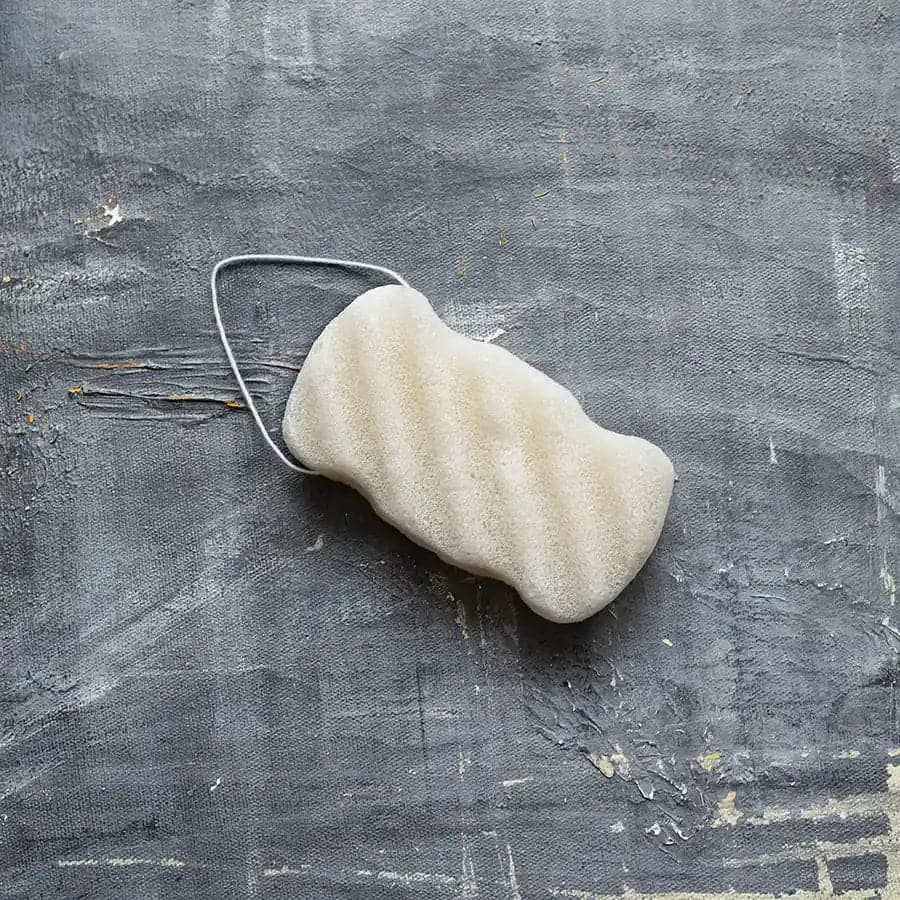
- Natural fiber tools
- Soft cleansing pads
- Textured exfoliating brushes
Consumers searching for a natural exfoliating tool often prefer products made from environmentally friendly or skin friendly materials.
Gentle Exfoliation Support
Facial tools are often designed to provide controlled exfoliation without excessive pressure.
Gentle exfoliation may help:
- Improve skin texture
- Remove surface buildup
- Support cleaner pores
- Maintain smoother skin
Using the right technique is important to avoid unnecessary skin irritation.
Benefits of Using an Exfoliating Tool for Face
Facial exfoliating tools provide several advantages when used correctly as part of a skincare routine.
Improved Skin Texture
Regular exfoliation may help create smoother and softer skin.
Benefits can include:
- Reduced roughness
- Better surface smoothness
- Cleaner appearance
- More refreshed skin feel
Consistent routines often produce better long term skincare results.
Enhanced Cleansing
Exfoliating tools can support deeper cleansing by helping remove dirt, oil, and surface buildup.
Improved cleansing may help:
- Remove excess oil
- Improve skin freshness
- Support clearer skin appearance
- Enhance daily cleansing routines
Proper cleansing is an important part of healthy skincare habits.
Reusable and Sustainable Option
Many facial exfoliating tools are reusable, making them a more sustainable alternative to disposable skincare products.
Reusable skincare tools help:
- Reduce waste
- Lower replacement frequency
- Support eco friendly beauty routines
- Improve long term value
Consumers increasingly prefer reusable beauty accessories for both convenience and sustainability.
Choosing the Right Skin Exfoliation Tool
Different skin types require different exfoliation methods and tool textures.
Consider Your Skin Type
Sensitive skin may require softer exfoliating surfaces, while some users may prefer firmer textures for deeper exfoliation.
Common skin types include:
- Dry skin
- Oily skin
- Combination skin
- Sensitive skin
Choosing the right skin exfoliation tool helps improve comfort and effectiveness.
Look for Gentle Materials
Harsh exfoliating surfaces may irritate the skin if used too aggressively.
Consumers often prefer:
- Soft textured materials
- Natural fibers
- Flexible silicone surfaces
- Gentle cleansing textures
Gentle exfoliation supports healthier skincare routines.
Easy Cleaning and Maintenance
Reusable skincare tools should be easy to clean regularly.
Proper cleaning helps:
- Maintain hygiene
- Prevent buildup
- Extend product lifespan
- Improve skincare safety
Regular maintenance improves both cleanliness and long term usability.
How to Use a Facial Exfoliating Tool Properly
Correct usage is important for achieving the best skincare results.
Use Gentle Pressure
Excessive pressure may irritate the skin or damage sensitive areas.
Gentle circular motions are commonly used to:
- Clean the skin surface
- Remove buildup
- Improve circulation
- Support smooth texture
Gentle techniques are usually more effective than aggressive scrubbing.
Avoid Over Exfoliation
Exfoliating too frequently may lead to dryness or irritation.
Most skincare routines benefit from moderate exfoliation depending on:
- Skin sensitivity
- Product type
- Environmental conditions
Balanced routines help maintain healthier skin.
Follow With Hydration
After exfoliation, moisturizing products may help maintain skin hydration.
Hydration can help:
- Support skin comfort
- Improve softness
- Reduce dryness
- Maintain balance
A complete skincare routine often includes both exfoliation and hydration.
Why Natural Skincare Tools Are Growing in Popularity
Consumers are becoming more interested in natural and sustainable beauty products.
Reusable skincare tools continue growing in popularity because they offer:
- Reduced waste
- Long term usability
- Eco friendly materials
- Gentle skincare support
- Better sustainability
People searching for a skin exfoliating tool often prefer products that combine skincare benefits with environmentally responsible design.
Common Mistakes to Avoid
Using exfoliating tools incorrectly can reduce effectiveness or irritate the skin.
Using Too Much Pressure
Aggressive scrubbing may damage the skin surface instead of improving it.
Gentle use generally produces better results.
Ignoring Tool Cleaning
Reusable tools should be cleaned regularly to maintain hygiene.
Proper maintenance helps:
- Prevent buildup
- Improve cleanliness
- Extend product lifespan
- Support safer skincare routines
Choosing Harsh Materials
Some exfoliating surfaces may feel too rough for sensitive skin.
Consumers should choose tools that match their skin type and comfort level.
Supporting a Better Skincare Routine
Facial exfoliating tools can become an important part of a balanced skincare routine when used properly.
Benefits may include:
- Cleaner skin appearance
- Improved texture
- Better product absorption
- Sustainable skincare habits
- Long term skincare support
Many consumers now include reusable skincare accessories as part of their regular beauty routine.
Conclusion
An exfoliating tool for face can help improve skincare routines by supporting better cleansing, smoother skin texture, and improved product absorption. Regular exfoliation may help remove dead skin buildup while supporting a fresher and cleaner appearance.
Choosing gentle, reusable, and easy to maintain exfoliating tools can improve both skincare effectiveness and long term sustainability. Natural exfoliating tools and reusable skincare accessories also help reduce waste while supporting healthier beauty habits.
By using the right exfoliating tools carefully and consistently, consumers can build a more effective and balanced skincare routine for healthier looking skin.