For nursing students, medical trainees, and other healthcare learners building foundational knowledge around intravenous therapy equipment, developing clear familiarity with proper component terminology supports both effective clinical communication and confident practical competency.
Why Correct Terminology Matters in Clinical Practice
Using accurate, standardized iv set parts name terminology supports clear communication between clinical team members, reduces potential confusion during handoffs or when discussing equipment troubleshooting, and reflects the professional competency expected of healthcare practitioners working with this fundamental clinical equipment.
Core Component Terminology to Master
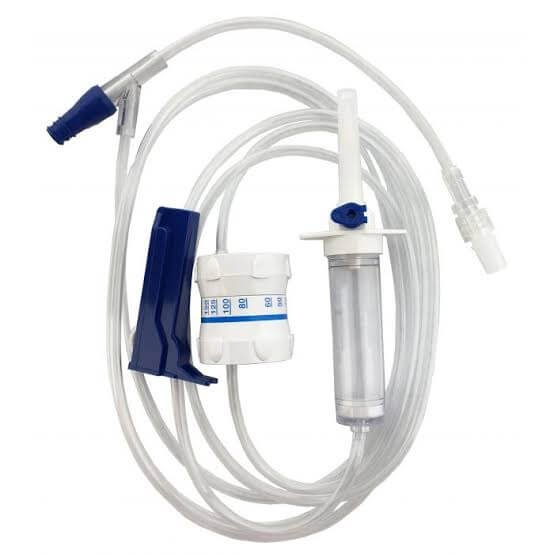
Foundational terminology students should master includes the spike, referring to the pointed component connecting to the fluid bag; the drip chamber, providing visual flow observation; the roller clamp, serving as the primary flow rate control mechanism; injection ports, providing secondary medication access points; and the connector, typically luer-based, attaching to the patient’s vascular access device.
Building Terminology Through Visual Association
Learners often benefit from studying labeled diagrams alongside actual physical equipment, building strong visual association between component names and their actual appearance and position within a complete administration set, supporting more effective retention compared to studying terminology in isolation from visual and hands-on reference.
Common Terminology Variations Worth Recognizing
Students should recognize that some component terminology involves regional or contextual variation, such as drip chamber sometimes being referred to using alternative terms in certain contexts, making it valuable to understand these variations exist while still developing confident use of standard, widely recognized terminology.
Connecting Terminology to Functional Understanding
Rather than memorizing component names purely as isolated vocabulary, effective learning connects each term to genuine functional understanding, helping students grasp not just what each component is called but what clinical purpose it serves and how it relates to adjacent components within the complete system.
Practical Application Through Case-Based Learning
Case-based learning scenarios, where students apply correct terminology while working through realistic clinical situations or troubleshooting scenarios, help reinforce both vocabulary retention and practical application skills more effectively than terminology memorization disconnected from realistic clinical context.
See also: VHIS for Seniors: Securing Health Coverage in Retirement
Assessment and Competency Verification
Educational programs benefit from incorporating clear assessment methods verifying student competency with both terminology and functional understanding, ensuring learners have genuinely internalized this foundational knowledge before progressing to more advanced clinical practice involving intravenous therapy equipment.
Conclusion
Building solid familiarity with accurate IV set component terminology represents important foundational knowledge for nursing and clinical students, supporting effective professional communication and confident practical competency. Combining visual learning, functional understanding, and case-based application supports effective, lasting knowledge retention for this fundamental clinical equipment category.
FAQs
Q1: What core components should clinical students prioritize learning terminology for? Priority terms include the spike, drip chamber, roller clamp, injection ports, and the terminal connector, representing the fundamental components of a standard administration set.
Q2: Why is visual association valuable for learning IV set terminology? Studying labeled diagrams alongside actual equipment builds strong association between component names and their actual appearance and position, supporting better retention than isolated vocabulary study.
Q3: How does case-based learning support terminology retention? Applying correct terminology while working through realistic clinical scenarios reinforces both vocabulary and practical application more effectively than memorization disconnected from clinical context.