The term smart kitchen increasingly appears across food service industry discussions, but understanding what genuinely distinguishes a smart kitchen from simply a well-equipped traditional kitchen helps food business operators evaluate whether this technology-forward approach offers genuine operational value for their specific business.
How Technology Integration Distinguishes This Kitchen Approach
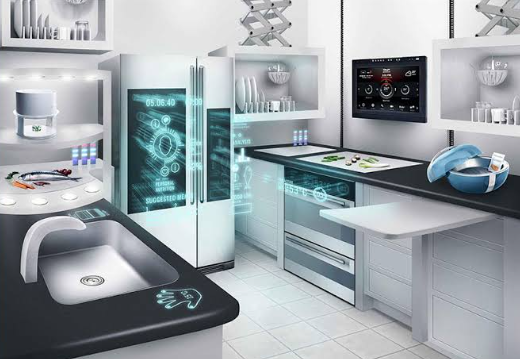
Rather than simply incorporating individual smart appliances, a genuinely smart kitchen typically involves integrated technology systems that connect various kitchen operations, potentially including inventory management, order processing, and equipment monitoring, into a more cohesive operational system that provides genuine efficiency benefits beyond what individual disconnected smart devices could achieve alone.
See also: Hypervigilance Symptoms: A Therapist’s Guide for Effective Intervention Strategies
Why Data and Analytics Capability Adds Genuine Operational Value
Beyond simple automation, smart kitchen systems often provide genuine data collection and analytics capability, helping operators understand actual usage patterns, identify operational inefficiencies, and make more informed decisions about everything from inventory ordering to staffing patterns, based on actual operational data rather than intuition or estimation alone.
How This Approach Supports Operational Consistency at Scale
For food businesses operating multiple locations or aiming for consistent quality and efficiency across operations, smart kitchen technology genuinely helps standardize processes and maintain consistency in ways that purely manual operational approaches often struggle to achieve reliably across multiple locations or shifts, making this technology particularly valuable for businesses genuinely prioritizing scalable consistency.
For those exploring this operational approach, this overview of smart kitchen technology and infrastructure covers the specific systems and capabilities that define this modern approach to food service operations.
Considering Whether This Investment Genuinely Fits Your Business Scale
While smart kitchen technology offers genuine benefits, honestly assessing whether your specific business scale and operational complexity genuinely justifies this investment, compared to simpler operational approaches that might adequately serve smaller or less complex operations, helps ensure this technology investment aligns with actual business needs rather than pursuing sophisticated systems disproportionate to your genuine operational requirements.
Frequently Asked Questions
Is smart kitchen technology only relevant for larger food service operations? While larger operations often see the most pronounced benefits given their operational complexity, smaller operations can also benefit from specific smart kitchen elements relevant to their particular operational challenges.
How significant is the typical investment required for smart kitchen technology adoption? This varies considerably based on the scope of technology integration pursued, making it worth evaluating specific technology components against your particular operational priorities and budget.
Does smart kitchen technology genuinely reduce operational costs over time? Many operators report meaningful efficiency gains and cost reduction through improved inventory management and operational consistency, though actual results depend on effective implementation and genuine utilization of the technology’s capabilities.
Final Thoughts
Understanding what genuinely defines smart kitchen technology, beyond simple individual smart appliances, helps food service operators evaluate whether this integrated technological approach offers genuine value for their specific business scale and operational priorities.