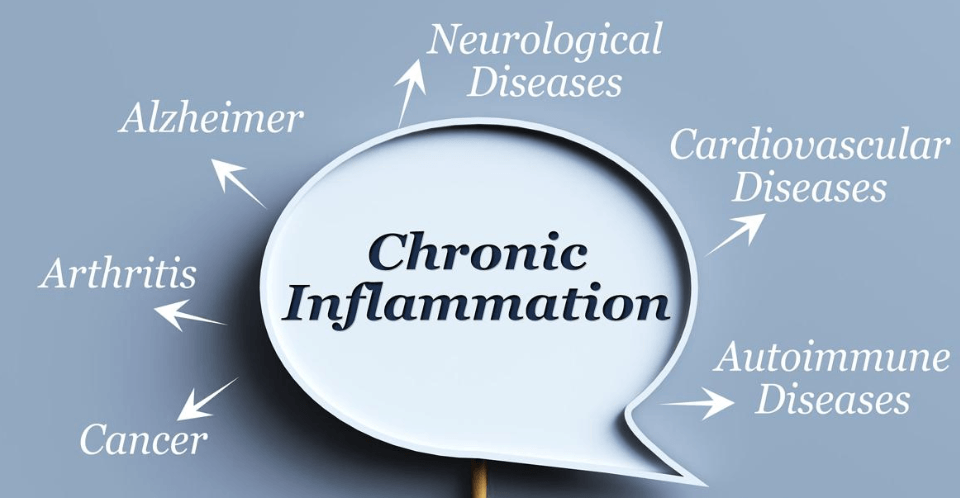
Inflammation is your body’s natural defense system—but when it becomes chronic, it can lead to serious health problems like heart disease, diabetes, and arthritis. The good news? Your diet plays a huge role in controlling inflammation. This anti inflammatory foods list will guide you toward healthier choices that support your body and reduce long-term risks.
What Is Inflammation and Why It Matters
Inflammation is your immune system’s response to injury or infection. While short-term (acute) inflammation is helpful, chronic inflammation can silently damage your body over time.
Common Causes of Chronic Inflammation
- Poor diet (processed foods, sugar, trans fats)
- Stress
- Lack of exercise
- Smoking or pollution exposure
- Obesity
Symptoms You Shouldn’t Ignore
- Persistent fatigue
- Joint pain or stiffness
- Digestive issues
- Skin problems
- Frequent infections
Adopting an anti-inflammatory diet can significantly reduce these symptoms and improve overall health.
Anti Inflammatory Foods List: Top Choices Backed by Science
Here’s a carefully curated anti inflammatory foods list based on research and nutritional science.
Fruits That Fight Inflammation

Fruits are rich in antioxidants, vitamins, and polyphenols that help neutralize harmful free radicals.
Best Anti-Inflammatory Fruits
- Berries (blueberries, strawberries, raspberries)
- High in anthocyanins that reduce inflammation
- Oranges and citrus fruits
- Rich in vitamin C for immune support
- Apples
- Contain quercetin, a natural anti-inflammatory compound
- Pineapple
- Contains bromelain, known to reduce swelling
👉 Tip: Eat a variety of colorful fruits daily for maximum benefit.
Vegetables That Reduce Inflammation

Vegetables are nutrient-dense and low in calories, making them essential in any anti-inflammatory diet.
Top Picks
- Leafy greens (spinach, kale, Swiss chard)
- Broccoli and cauliflower
- Bell peppers
- Tomatoes
Why They Work
These vegetables contain:
- Vitamin K
- Fiber
- Antioxidants
- Phytochemicals
All of which help reduce inflammatory markers in the body.
Healthy Fats That Support Your Body

Not all fats are bad. In fact, healthy fats are crucial for fighting inflammation.
Best Sources of Anti-Inflammatory Fats
- Olive oil (extra virgin)
- Avocados
- Nuts (almonds, walnuts)
- Seeds (chia seeds, flaxseeds)
Omega-3 Fatty Acids
Omega-3s are especially powerful. They help reduce inflammation linked to chronic diseases.
Fatty Fish: A Key Anti-Inflammatory Food
Fatty fish are among the most effective foods for reducing inflammation.
Top Choices
- Salmon
- Mackerel
- Sardines
- Tuna
Benefits
- Rich in EPA and DHA (types of omega-3 fatty acids)
- Reduce inflammation markers like CRP
- Support heart and brain health
👉 Aim to eat fatty fish at least twice a week.
Whole Grains vs Refined Grains
Whole grains are packed with fiber and nutrients, unlike refined grains which can increase inflammation.
Choose These Whole Grains
- Brown rice
- Quinoa
- Oats
- Whole wheat
Avoid These Refined Options
- White bread
- White rice
- Pastries
Whole grains help maintain healthy gut bacteria, which plays a role in controlling inflammation.
Herbs and Spices with Anti-Inflammatory Properties
Nature provides powerful healing compounds through herbs and spices.
Must-Have Options
- Turmeric (contains curcumin)
- Ginger
- Garlic
- Cinnamon
How to Use Them
- Add turmeric to curries or milk
- Use ginger in tea or stir-fries
- Include garlic in daily cooking
These ingredients have been used for centuries in traditional medicine.
Beverages That Help Reduce Inflammation
What you drink matters just as much as what you eat.
Healthy Drink Options
- Green tea
- Contains catechins (strong antioxidants)
- Black coffee (in moderation)
- Herbal teas
- Water
Drinks to Avoid
- Sugary sodas
- Energy drinks
- Excess alcohol
Staying hydrated supports detoxification and reduces inflammation.
Foods to Avoid That Trigger Inflammation
To fully benefit from an anti-inflammatory diet, you must also limit harmful foods.
Common Inflammatory Foods
- Processed snacks
- Fried foods
- Sugary desserts
- Refined carbohydrates
- Trans fats
- Processed meats
These foods can increase oxidative stress and inflammation in the body.
Sample Anti-Inflammatory Meal Plan
Here’s a simple daily plan using items from the anti inflammatory foods list:
Breakfast
- Oatmeal with berries and chia seeds
- Green tea
Lunch
- Grilled salmon with quinoa and spinach salad
- Olive oil dressing
Snack
- Apple with almonds
Dinner
- Stir-fried vegetables with brown rice and turmeric
Dessert
- Fresh fruit bowl
Benefits of Following an Anti-Inflammatory Diet
Sticking to this diet can lead to long-term health improvements.
Key Benefits
- Reduced risk of chronic diseases
- Better heart health
- Improved digestion
- Stronger immune system
- Enhanced energy levels
It’s not just a diet—it’s a sustainable lifestyle.
Practical Tips to Get Started
Making changes doesn’t have to be overwhelming.
Easy Steps
- Start by adding one anti-inflammatory food daily
- Replace refined grains with whole grains
- Cook more meals at home
- Read food labels carefully
- Stay consistent
Small changes can lead to big results over time.
Frequently Asked Questions (FAQs)
1. What are the most powerful anti-inflammatory foods?
Fatty fish, berries, leafy greens, olive oil, and turmeric are among the most effective options.
2. How quickly can diet reduce inflammation?
Some improvements can be seen within a few weeks, but long-term consistency is key.
3. Are eggs inflammatory?
Eggs are generally neutral. Some people may have sensitivities, but they are not inherently inflammatory.
4. Can I follow this diet every day?
Yes, an anti-inflammatory diet is safe and recommended for daily long-term use.
5. Is coffee good or bad for inflammation?
In moderation, coffee may have anti-inflammatory effects due to its antioxidants.
Conclusion
This anti inflammatory foods list provides a simple yet powerful way to improve your health naturally. By focusing on whole, nutrient-rich foods and avoiding processed options, you can reduce inflammation and protect your body from chronic diseases.
Start small, stay consistent, and let food be your medicine.