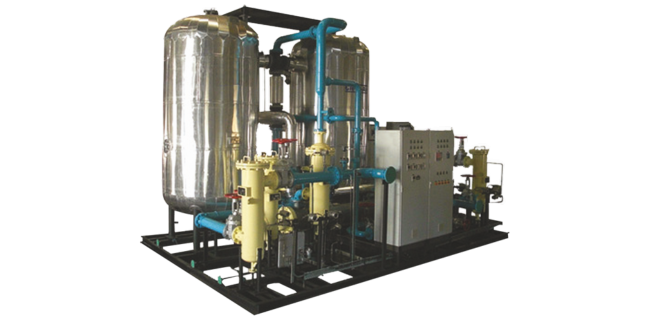
Compressed air systems are essential for modern industrial operations. Many industries depend on clean and dry compressed air to support production equipment, pneumatic systems, automation processes, and manufacturing applications. Moisture inside compressed air systems can create serious operational issues, including equipment corrosion, production inefficiencies, and contamination risks. This is why industries increasingly rely on a regenerative split flow dryer to maintain high compressed air quality and stable system performance.
Industrial facilities require compressed air systems that provide reliable moisture removal and consistent dew point control. Regenerative split flow dryers are designed to remove water vapor from compressed air using advanced adsorption technology. These systems help industries improve equipment reliability, reduce downtime, and maintain efficient production operations.
Introduction to Industrial Compressed Air Drying Systems
Compressed air naturally contains moisture that enters the system during the compression process. If moisture is not properly removed, it can condense inside pipelines, valves, and pneumatic equipment. Wet compressed air can negatively affect industrial productivity and increase maintenance costs.
Compressed air drying systems help industries maintain clean and dry compressed air for reliable operations. These systems are commonly used in manufacturing plants, pharmaceutical facilities, food processing units, and engineering industries.
Common problems caused by wet compressed air include:
- Corrosion in pipelines and equipment
- Damage to pneumatic tools and machinery
- Reduced production efficiency
- Contamination of manufacturing processes
- Increased maintenance requirements
Industries often combine advanced drying technologies with systems such as an industrial moisture removal dryer to improve compressed air treatment performance and operational reliability.
What Is a Regenerative Split Flow Dryer
A regenerative split flow dryer is a type of regenerative desiccant dryer designed to remove moisture from compressed air systems through adsorption technology. The system uses desiccant materials that absorb water vapor from compressed air and deliver low dew point performance for industrial applications.
The split flow design works by dividing a portion of dry compressed air to regenerate the saturated desiccant bed while the remaining air continues through the drying cycle. This continuous process ensures stable moisture removal and reliable compressed air quality.
Regenerative split flow dryers are commonly used in industries that require:
- Low moisture levels
- Stable dew point control
- Continuous compressed air supply
- High operational reliability
- Energy efficient drying systems
These dryers are especially suitable for critical industrial applications where compressed air quality directly affects equipment performance and production consistency.
Components of a Regenerative Split Flow Dryer
Regenerative split flow dryers consist of several components that work together to remove moisture from compressed air systems. Each component supports the drying and regeneration process to maintain stable system performance.
Desiccant Chambers
The dryer contains desiccant chambers filled with adsorption materials that capture water vapor from compressed air. These chambers alternate between drying and regeneration cycles.
Control Valves and Switching Systems
Automatic valves manage airflow between the desiccant towers. These systems ensure smooth switching between drying and regeneration operations.
Filters and Moisture Separation Units
Pre filters and moisture separators remove contaminants and liquid water before compressed air enters the desiccant chambers. This helps improve desiccant life and system efficiency.
Airflow and Purge Management
The split flow regeneration system uses a portion of dry compressed air to regenerate the desiccant material. Proper airflow control helps maintain energy efficient operation and stable drying performance.
How Regenerative Split Flow Dryers Remove Moisture from Compressed Air
Regenerative split flow dryers use adsorption air dryer technology to remove water vapor from compressed air systems. Moisture is attracted to the surface of the desiccant material as compressed air passes through the drying chamber.
The system operates in alternating cycles:
- One chamber dries the compressed air
- The second chamber undergoes regeneration
- Saturated moisture is removed during regeneration
- The process switches continuously for uninterrupted operation
This design allows industries to maintain continuous compressed air supply while achieving low dew point levels. Dew point management is important in industrial environments where moisture sensitive applications require reliable compressed air quality.
The adsorption process supports effective compressed air purification and helps industries maintain consistent production conditions.
Advantages of Regenerative Split Flow Dryers
Regenerative split flow dryers provide several operational and performance advantages for industrial compressed air systems. These systems are designed to improve moisture control while maintaining energy efficient performance.
Reliable Moisture Removal
The adsorption process helps remove moisture effectively from compressed air systems. This reduces the risk of condensation and protects industrial equipment from water related damage.
Energy Efficient Operation
Split flow regeneration technology optimizes compressed air usage during the regeneration cycle. This helps reduce energy consumption and improve overall system efficiency.
Stable Dew Point Control
Industries with critical manufacturing processes require precise moisture control. Regenerative dryers help maintain low and stable dew point levels for sensitive applications.
Reduced Maintenance Requirements
Dry compressed air reduces corrosion and contamination within pipelines and pneumatic systems. This helps lower maintenance costs and improve equipment reliability.
Key benefits of regenerative split flow dryers include:
- Continuous compressed air drying
- Improved system reliability
- Lower moisture contamination risks
- Better energy efficiency
- Long service life
Industrial Applications of Regenerative Split Flow Dryers
Regenerative split flow dryers are widely used in industries that depend on high quality compressed air systems. These dryers support operations where moisture control is essential for productivity and equipment protection.
Pharmaceutical Manufacturing
Pharmaceutical production facilities require dry compressed air to maintain process stability and contamination control. Stable dew point management supports manufacturing quality standards.
Food and Beverage Processing
Moisture free compressed air is essential in food processing applications. Dry compressed air helps maintain hygiene and production consistency.
Electronics and Semiconductor Industries
Sensitive electronic manufacturing processes require extremely dry compressed air to protect components and maintain production precision.
Automotive and Engineering Facilities
Compressed air systems are widely used in industrial automation and assembly operations. Regenerative dryers help improve equipment performance and reduce operational disruptions.
Oil and Gas Industries
Oil and gas facilities often operate in demanding conditions where reliable moisture removal is critical for equipment protection and process efficiency.
Some industries may also evaluate a refrigeration air dryer for factories for applications where moderate dew point control is sufficient.
Difference Between Regenerative Split Flow Dryers and Other Air Drying Systems
Industrial facilities often compare regenerative split flow dryers with other compressed air drying technologies before selecting a suitable solution.
Regenerative Split Flow Dryer vs Refrigerated Dryer
Refrigerated dryers remove moisture by cooling compressed air and condensing water vapor. These systems are suitable for general industrial applications but may not achieve extremely low dew point levels.
Regenerative split flow dryers provide lower dew point performance and are preferred for critical industrial applications that require advanced moisture control.
Regenerative Split Flow Dryer vs Heatless Air Dryer
Heatless air dryers use dry compressed air for regeneration without additional heating systems. Split flow dryers optimize airflow management and can offer improved energy efficiency in certain applications.
Choosing the Right Dryer
The selection depends on several factors:
- Required dew point levels
- Airflow capacity
- Operating pressure
- Energy efficiency goals
- Industrial application requirements
Factors to Consider Before Selecting a Regenerative Split Flow Dryer
Choosing the right compressed air dryer requires proper evaluation of industrial operating conditions and performance expectations. Industries should assess system requirements carefully before installation.
Important selection factors include:
- Compressed air flow capacity
- Required dew point levels
- Operating pressure conditions
- Energy consumption targets
- Environmental operating conditions
- Maintenance requirements
Industrial facilities should also consider long term operating costs and system reliability when selecting compressed air treatment equipment.
Importance of Energy Saving Compressed Air Dryers in Modern Industries
Energy efficiency is becoming increasingly important in industrial operations. Compressed air systems can consume a significant amount of industrial energy, making efficient air drying systems essential for cost control and sustainability.
Modern regenerative split flow dryers are designed to support energy efficient operation through optimized regeneration cycles and advanced airflow control systems. These technologies help industries reduce operational expenses while maintaining high compressed air quality.
Benefits of energy saving compressed air dryers include:
- Lower electricity consumption
- Reduced operating costs
- Improved industrial efficiency
- Better system performance
- Enhanced sustainability
Industries that focus on efficient compressed air management can improve productivity while reducing long term operational expenses.
How Delair India Supports Industrial Air Drying Applications
Delair India provides advanced compressed air drying solutions designed for industrial applications that require reliable moisture removal and stable compressed air quality. Their regenerative air dryer systems support industrial operations across multiple sectors.
The company focuses on:
- Advanced adsorption air dryer technology
- Reliable dew point management
- Energy efficient compressed air solutions
- Customized industrial air treatment systems
- Long term operational reliability
Industries looking for compressed air treatment support can contact Delair India Pvt Ltd. for technical guidance and system recommendations.
Conclusion
Regenerative split flow dryers play an important role in maintaining dry and reliable compressed air systems for industrial applications. Moisture contamination can lead to equipment damage, production inefficiencies, and operational disruptions. Installing an advanced regenerative desiccant dryer helps industries maintain stable compressed air quality and improve operational performance.
These dryers support low dew point management, energy efficient operation, and continuous moisture removal for demanding industrial environments. Industries that require high quality compressed air systems benefit from improved equipment protection, reduced maintenance requirements, and better process reliability.
As industrial operations continue to demand efficient and contamination free compressed air systems, regenerative split flow dryers remain a critical solution for modern manufacturing and process industries.
FAQs
1. What is a regenerative split flow dryer?
A regenerative split flow dryer is a desiccant air dryer that removes moisture from compressed air using adsorption technology and split flow regeneration processes.
2. Why are regenerative split flow dryers used in industries?
These dryers are used to maintain dry compressed air, prevent equipment corrosion, improve production reliability, and achieve low dew point performance.
3. How does a regenerative split flow dryer work?
The system uses desiccant chambers to absorb moisture from compressed air while a portion of dry air regenerates the saturated desiccant material.
4. What industries use regenerative split flow dryers?
Industries such as pharmaceuticals, food processing, electronics, automotive manufacturing, and oil and gas commonly use regenerative split flow dryers.
5. What are the advantages of regenerative split flow dryers?
The main advantages include reliable moisture removal, stable dew point control, energy efficient operation, reduced maintenance costs, and improved compressed air quality.