Commercial buildings require efficient ventilation systems to maintain healthy indoor environments and support energy efficient operations. As buildings become more airtight and energy regulations become stricter, proper ventilation has become more important than ever. Traditional ventilation methods often waste a large amount of conditioned air, leading to higher heating and cooling costs. Modern HVAC technologies now focus on improving indoor air quality while reducing energy consumption. One of the most effective solutions for achieving these goals is an energy recovery ventilation system.
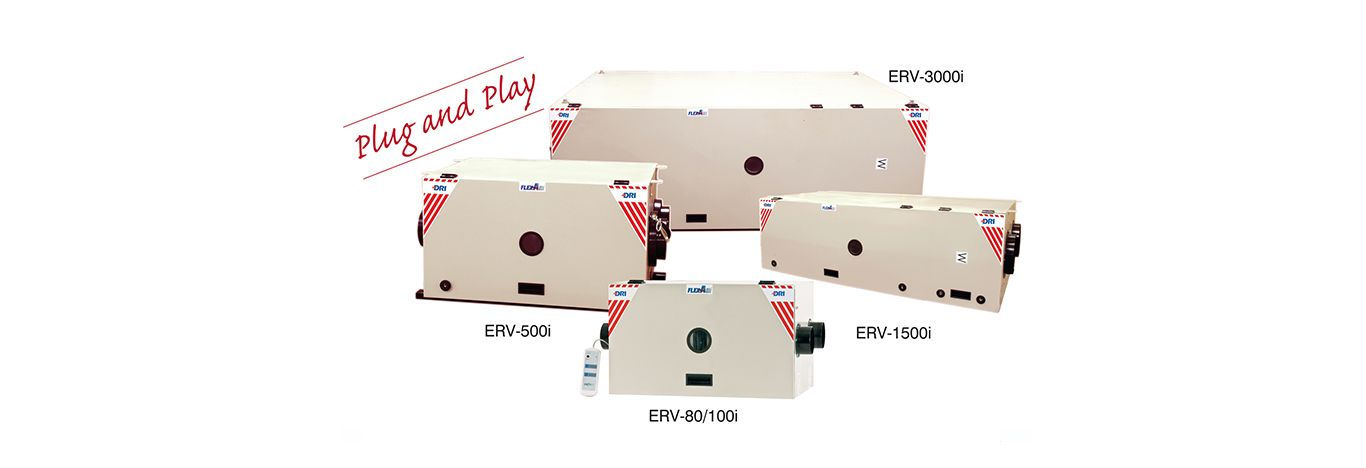
Energy recovery ventilation systems help commercial buildings maintain balanced airflow while recovering thermal energy from exhaust air. These systems improve HVAC efficiency, reduce operational costs, and enhance indoor comfort. They are widely used in offices, healthcare facilities, educational institutions, hotels, and other commercial environments where continuous ventilation is required.
Introduction to Modern Commercial Ventilation Needs
Indoor air quality has become a major concern for modern commercial infrastructure. Buildings require fresh air circulation to remove indoor pollutants, control humidity, and maintain occupant comfort. At the same time, facility owners are under pressure to reduce energy consumption and operational expenses.
Traditional ventilation systems often create energy loss because conditioned air is exhausted outside and replaced with untreated outdoor air. HVAC systems must then consume additional energy to heat or cool the incoming air. This process increases operational costs and reduces overall system efficiency.
Several factors are increasing the demand for advanced ventilation technologies:
● Rising energy costs
● Increased focus on indoor air quality
● Sustainable building regulations
● Green building certification requirements
● Improved occupant comfort expectations
● Reduced carbon emission goals
Energy recovery ventilation systems address these challenges by recovering energy from outgoing air and using it to condition incoming fresh air.
What Is an Energy Recovery Ventilation System
An energy recovery ventilation system is a ventilation solution designed to exchange stale indoor air with fresh outdoor air while recovering thermal energy from the exhaust air stream. The system transfers heat and moisture between outgoing and incoming air without mixing the two airflows.
This process improves ventilation efficiency and reduces the load placed on heating and cooling systems. Energy recovery ventilation systems are designed to support continuous fresh air supply while minimizing energy waste.
Key components of an ERV system include:
● Heat recovery core or wheel
● Supply and exhaust fans
● Air filtration systems
● Ventilation ducting
● Control systems
● Moisture transfer media
These components work together to maintain indoor comfort and improve HVAC performance. The system continuously exchanges air while reducing the amount of heating or cooling required for fresh air intake.
How Energy Recovery Ventilation Systems Improve HVAC Performance
Energy recovery ventilation systems improve HVAC efficiency by transferring heat and moisture between outgoing and incoming air streams. During warmer conditions, the system removes heat and humidity from incoming air. During cooler conditions, it transfers warmth and moisture from exhaust air back into the supply air.
This energy transfer process reduces HVAC workload and lowers operational costs. Buildings can maintain proper ventilation without excessive energy consumption.
The main advantages of HVAC heat recovery include:
● Reduced heating and cooling demand
● Improved ventilation efficiency
● Balanced indoor airflow
● Better humidity control
● Lower energy consumption
● Enhanced indoor air quality
Commercial buildings often operate ventilation systems continuously throughout the day. Without energy recovery technology, this can lead to significant energy waste. ERV systems help maintain efficient ventilation while improving long term HVAC performance.
Benefits of Energy Recovery Ventilation Systems in Commercial Buildings
Energy recovery ventilation systems provide multiple benefits for commercial facilities. These systems not only improve indoor air quality but also contribute to energy savings and sustainable building operations.
One of the biggest benefits is improved indoor air quality. Continuous fresh air exchange helps reduce indoor contaminants, excess humidity, and stale air buildup. This creates a healthier indoor environment for building occupants.
Additional benefits include:
● Lower HVAC operational costs
● Improved occupant comfort
● Reduced carbon emissions
● Better moisture management
● Increased HVAC system lifespan
● Enhanced energy efficiency
By reducing the heating and cooling load, ERV systems also help decrease stress on HVAC equipment. This contributes to improved equipment reliability and lower maintenance requirements over time.
Energy recovery systems can also work alongside advanced HVAC technologies such as desiccant cooling systems to improve humidity control and cooling efficiency in commercial environments.
Applications of ERV Systems in Commercial Infrastructure
Energy recovery ventilation systems are widely used across commercial sectors where fresh air ventilation and energy efficiency are essential. These systems are suitable for both new construction projects and retrofit applications.
Common commercial applications include:
● Office buildings
● Healthcare facilities
● Educational institutions
● Hotels and hospitality spaces
● Retail centers
● Mixed use commercial developments
● Data centers
Commercial buildings often require high ventilation rates to maintain indoor environmental quality. ERV systems help support these requirements while minimizing energy waste.
Healthcare and educational facilities particularly benefit from improved air exchange and humidity control. Proper ventilation helps maintain healthier indoor conditions and supports occupant comfort throughout the building.
Energy Recovery Ventilation System vs Conventional Ventilation
Conventional ventilation systems exhaust conditioned indoor air without recovering usable thermal energy. As a result, HVAC systems consume additional energy to treat incoming outdoor air.
Energy recovery ventilation systems improve this process by recovering heat and moisture from outgoing air before it leaves the building. This reduces heating and cooling demand while maintaining continuous fresh air circulation.
Important differences between ERV systems and conventional ventilation include:
● Higher energy efficiency
● Improved indoor humidity control
● Reduced operational costs
● Better air exchange performance
● Lower environmental impact
● Enhanced HVAC reliability
Conventional systems often struggle to maintain stable indoor conditions during changing outdoor temperatures. ERV systems provide more consistent environmental control while improving overall ventilation efficiency.
Over time, the reduced energy demand also contributes to lower utility costs and improved building sustainability performance.
Understanding DOAS vs ERV Systems
Commercial ventilation systems may include either a dedicated outdoor air system or an energy recovery ventilation system depending on building requirements. Both systems improve ventilation performance, but they operate differently.
A dedicated outdoor air system is designed to supply conditioned outdoor air separately from the primary HVAC system. It focuses on delivering fresh air while controlling humidity and ventilation rates.
Key differences between DOAS and ERV systems include:
● ERV systems recover heat and moisture
● DOAS systems focus on fresh air delivery
● ERV systems reduce energy loss
● DOAS systems improve humidity management
● Both systems improve indoor air quality
● Both support energy efficient ventilation design
The selection between DOAS and ERV systems depends on building size, ventilation requirements, climate conditions, and operational goals. In some applications, these technologies may work together to provide optimal ventilation performance.
The Role of ERV Systems in Green Building HVAC Design
Green building design focuses on reducing energy consumption while improving indoor environmental quality. HVAC systems play a major role in overall building energy usage, making efficient ventilation technologies essential for sustainability goals.
ERV systems support green building initiatives by:
● Reducing HVAC energy demand
● Lowering greenhouse gas emissions
● Improving ventilation efficiency
● Supporting sustainable building operations
● Enhancing indoor environmental quality
● Contributing to energy certification programs
Energy recovery technologies help buildings meet modern environmental standards while reducing operational costs. Many commercial projects now prioritize ventilation systems that support both occupant comfort and long term sustainability objectives.
As building energy regulations continue to evolve, ERV systems are becoming an important component of high performance commercial HVAC design.
Factors to Consider When Selecting an Energy Recovery Ventilation System
Choosing the right energy recovery ventilation system requires careful evaluation of several technical and operational factors. Proper system design helps ensure efficient performance and long term reliability.
Important considerations include:
● Ventilation airflow requirements
● Heat recovery efficiency
● Moisture transfer performance
● System durability
● Maintenance accessibility
● HVAC integration compatibility
● Operational efficiency goals
Facilities should also evaluate future expansion needs and long term energy savings potential when selecting ventilation systems. Proper installation and airflow balancing are essential for maximizing system efficiency.
Routine maintenance also plays an important role in maintaining consistent ventilation performance and energy recovery efficiency.
Why DRI Rotors Is a Trusted Provider of ERV Solutions
DRI Rotors specializes in advanced ventilation and energy recovery technologies designed for commercial and industrial HVAC applications. Their ERV systems are engineered to improve indoor air quality, reduce energy consumption, and support sustainable building performance.
DRI Rotors solutions provide:
● Reliable energy recovery performance
● Efficient ventilation management
● Improved indoor air quality
● Sustainable HVAC operation
● Long term system reliability
● Advanced engineering support
Their expertise in HVAC heat recovery and ventilation technologies helps commercial facilities optimize energy efficiency and indoor environmental conditions. Organizations seeking customized ventilation solutions can contact Desiccant Rotors International for technical support and product guidance.
Conclusion
Energy recovery ventilation systems are becoming essential for modern commercial buildings that prioritize energy efficiency, indoor air quality, and sustainable operations. These systems recover thermal energy from exhaust air and use it to condition incoming fresh air, reducing HVAC workload and operational costs.
Commercial facilities require advanced ventilation technologies to maintain healthy indoor environments while minimizing energy waste. ERV systems provide an effective solution by improving airflow management, humidity control, and overall HVAC efficiency. As sustainability and energy optimization continue to shape building design, energy recovery ventilation systems will remain a critical part of modern commercial infrastructure.
FAQs
- What is an energy recovery ventilation system?
An energy recovery ventilation system exchanges indoor and outdoor air while recovering heat and moisture from exhaust air to improve HVAC efficiency. - How does an ERV system improve indoor air quality?
ERV systems provide continuous fresh air ventilation while removing stale indoor air, helping reduce pollutants and excess humidity. - What is the difference between ERV and conventional ventilation?
Conventional systems exhaust conditioned air without energy recovery, while ERV systems recover heat and moisture to reduce energy loss. - Where are energy recovery ventilation systems commonly used?
They are commonly used in offices, healthcare facilities, hotels, educational institutions, retail buildings, and commercial infrastructure projects. - Why are ERV systems important for sustainable buildings?
ERV systems reduce energy consumption, lower carbon emissions, improve ventilation efficiency, and support green building performance goals.