Different industries rely on accelerated UV weathering chambers for very different reasons, and understanding these varied applications helps clarify why testing parameters and chamber configurations aren’t one-size-fits-all.
Automotive Industry Applications
Automotive manufacturers use UV weathering chambers extensively to test exterior coatings, interior trim materials, and plastic components for color fastness and material integrity under prolonged sun exposure.
Construction and Building Materials
Roofing materials, siding, window components, and exterior coatings undergo UV weathering testing to predict multi-decade outdoor performance, a critical consideration given the long service life expected of building materials.
Packaging Industry Testing
Product packaging, particularly for items stored or displayed in sunlight, is tested to ensure printed graphics, colors, and material integrity hold up without premature fading or degradation.
Textile and Outdoor Gear Testing
Outdoor apparel, tents, and recreational equipment manufacturers rely on UV weathering testing to validate fabric durability and color retention under extended outdoor use conditions.
Agricultural and Industrial Equipment
Components used in outdoor agricultural or industrial equipment undergo UV testing to ensure plastic and coated components maintain structural integrity despite prolonged sun exposure in field conditions.
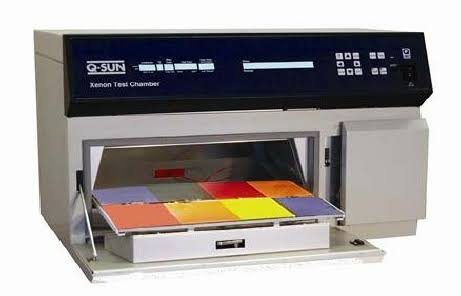
For a broader look at chamber configurations suited to these varied industry needs, LIB Industry accelerated uv weathering chamber offers additional detail worth reviewing.
Why Testing Parameters Vary by Industry
Each industry’s products face different combinations of UV intensity, temperature, and moisture exposure in real-world use, which is why testing standards and chamber cycling parameters are tailored to reflect these industry-specific conditions.
See also: How to Turn Your Side Hustle into a Full-Time Business
Working Within Established Industry Standards
Most industries have established testing standards specific to their products, and configuring chamber parameters to align with these standards ensures test results are meaningful and broadly accepted within that industry.
Frequently Asked Questions
Why don’t all industries use the same UV weathering test parameters? Because different products face different real-world exposure conditions, requiring tailored testing parameters to produce meaningful, industry-relevant results.
Which industries generally require the longest UV weathering test cycles? Building materials and construction products often require the longest test cycles, given the multi-decade service life expected of these products.
Can one chamber serve multiple industry testing needs? Often yes, provided it offers flexible parameter configuration to align with different industry standards and testing requirements.
Final Thoughts
Understanding how accelerated UV weathering chamber applications vary across industries helps ensure testing parameters genuinely reflect the real-world conditions each product needs to withstand. This industry-specific approach is what makes accelerated testing genuinely predictive.