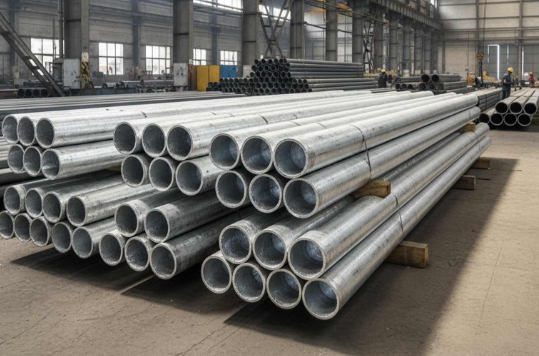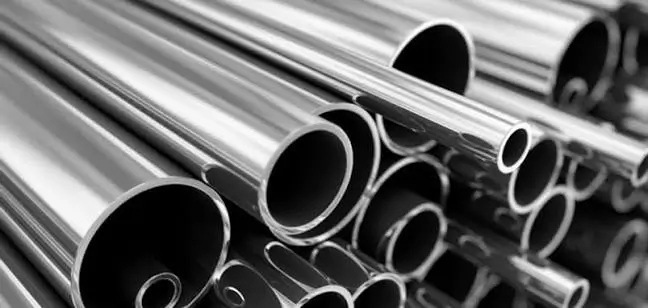
Beyond factory-produced welded tube, many projects involve welding titanium pipes during field installation or custom fabrication work, a process demanding genuinely specialized technique and precautions considerably beyond what welding more common structural metals typically requires.
Why Titanium’s Reactivity Demands Specialized Shielding During Welding
Titanium’s high reactivity with oxygen and nitrogen at elevated welding temperatures means inadequate shielding gas coverage can introduce contamination that significantly compromises weld integrity and corrosion resistance, making comprehensive shielding, including trailing and backing gas coverage beyond simple torch shielding alone, a genuinely essential rather than optional welding practice for this material.
How Welder Certification and Experience Specifically With Titanium Matters
General welding certification and experience with common structural metals does not automatically translate into titanium welding proficiency, given the material’s distinct thermal and reactivity characteristics, making it worth specifically confirming welder experience and certification relevant to titanium specifically rather than assuming general welding credentials adequately cover this specialized material.
Why Post-Weld Inspection Deserves Particular Attention for Field-Welded Titanium
Given that field welding conditions typically offer less controlled environments than factory production settings, thorough post-weld inspection, including visual examination for discoloration that can indicate inadequate shielding, along with any applicable non-destructive testing, genuinely matters for verifying weld quality when factory-controlled conditions are not available.
For fabricators and project teams undertaking this work, this guidance on LINHUI TITANIUM welding titanium pipes covers the shielding, technique, and inspection practices relevant to achieving reliable field or fabrication welds.
See also: Key Lip Filler Treatment Options Marin County That Achieve Natural-Looking Results
Frequently Asked Questions
How can weld quality be visually assessed after welding titanium pipe in the field? Weld color provides a useful initial indicator, with proper shielding typically producing a silver or light straw color, while discoloration toward darker blues or grays can indicate inadequate shielding and potential contamination.
Is trailing gas shielding always necessary when welding titanium, or only for certain applications? Trailing shielding is generally recommended for titanium welding broadly, given the material’s reactivity, though the specific extent and duration of trailing coverage needed can vary by joint geometry and welding parameters.
Should field-welded titanium always undergo non-destructive testing, or is visual inspection sufficient for lower-stakes applications? This depends on the application’s criticality; while visual inspection provides useful initial screening, applications with meaningful structural or pressure-bearing requirements generally benefit from additional non-destructive verification beyond visual assessment alone.
Final Thoughts
Welding titanium pipe successfully, whether in controlled factory settings or field conditions, requires genuinely specialized shielding practice, welder experience, and careful post-weld verification, reflecting the material’s distinct demands compared to more commonly welded structural metals.